25.09.26
Understanding Hybrid Cars in Singapore: Mild Hybrid vs Hybrid vs Plug-in Hybrid
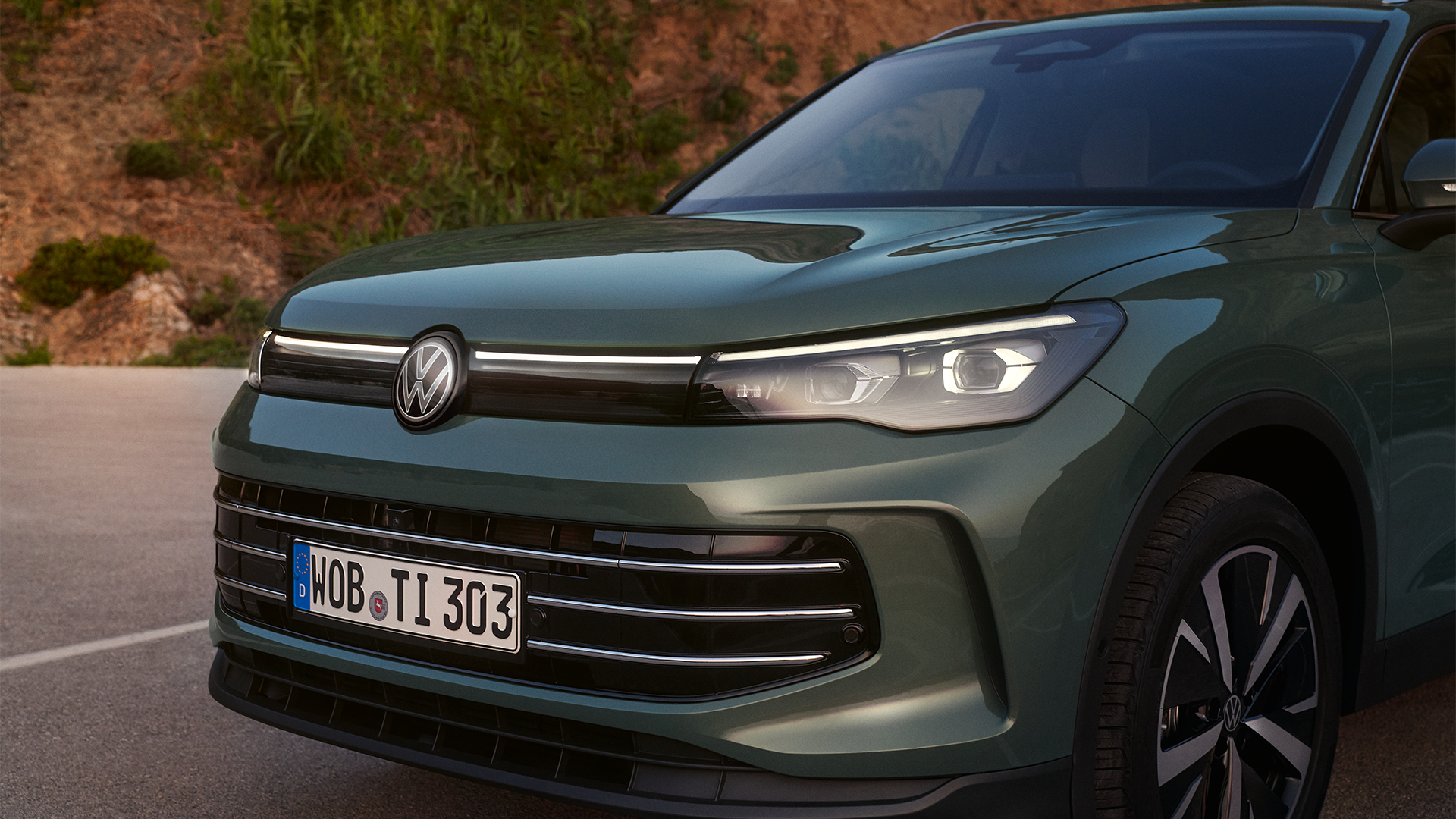
- Mild hybrids assist the petrol engine, full hybrids offer short electric-only driving, and plug-in hybrids provide a longer electric range with external charging.
- Battery design, temperature, driving patterns, system management, and charging habits can affect long-term performance and durability.
- Choosing the right hybrid depends on driving distance, charging access, fuel use, upfront cost, and ownership needs.
Mild hybrids, full hybrids, and plug-in hybrids use electricity in distinct ways. The main differences lie in how they are powered, whether external charging is required, and their ability to drive solely on electricity.
Understanding these forms of electric mobility can help Singapore drivers choose a car that suits their journeys and charging access.
What is a Hybrid Car?
A hybrid car combines a petrol engine with an electric motor and battery to improve efficiency.
Depending on the powertrain, electrical energy may assist the engine, power the car for short distances, or provide a longer electric-only range.
Mild Hybrid vs Full Hybrid vs Plug-in Hybrid: Key Differences
To understand what a hybrid car is and how each type differs, it helps to compare how mild hybrids, full hybrids, and plug-in hybrids manage petrol and electric power.
- Mild hybrid car (MHEV): A motor-generator recovers energy during deceleration and uses it to assist the petrol engine and support stop-start operation.
- Full hybrid car (HEV): The system automatically switches between or combines petrol and electric power, replenishing the battery through regenerative braking and the engine.
- Plug-in hybrid car (PHEV): A larger battery powers the electric motor, while the petrol engine joins or takes over when more power or range is needed.
Battery technology factors such as battery capacity, condition, and system management influence how electrical energy is stored and used across these engines.
Comparison at a Glance: Power Sources, Components, Electric-Only Driving, and Charging
Engine | Main components | Electric-only driving | Plug-in charging |
|---|---|---|---|
| Full hybrid | Petrol engine, small battery, and motor-generator | Generally no | No |
| Regular SUV | Petrol engine, traction battery, motor, and generator | Yes, for short periods | No |
| Plug-in hybrid | Petrol engine, larger battery, motor, and charging system | Yes, with a longer range | Yes |
Singapore’s petrol-electric car population grew by approximately 20%, from 99,157 in 2024 to 118,695 in 2025, based on LTA's vehicle statistics.
As Singapore moves towards cleaner transport, the Land Transport Authority (LTA) has set out that all new car registrations will be cleaner-energy models from 2030.
Hybrid Battery Lifespan, Warranty, and Common Misconceptions
Hybrid car batteries vary in size and function. A compact 48 V battery differs from the traction battery in a full hybrid, PHEV, or BEV.
How Long Does a Hybrid Battery Typically Last?
There is no universal replacement age for a hybrid battery. Its lifespan depends on several factors:
- Battery design: Chemistry, capacity, and construction influence long-term durability.
- Temperature: Singapore’s warm climate makes effective battery cooling important.
- Vehicle use: Mileage, driving conditions, and usage patterns affect battery wear.
- System management: Battery controls and appropriate charging habits help maintain performance.
The US National Highway Traffic Safety Administration explains, “Temperature control is important for batteries, as extreme temperatures can affect performance and shorten a battery’s lifespan.”
Our battery technology guide explains how charge level, battery condition, and charging behaviour may affect performance and longevity.
Understanding Battery Warranties, Repairs, and Replacement
Before buying a hybrid, review what its battery warranty covers:
What to Check | Why It Matters |
|---|---|
| Warranty period | Shows how long the battery is covered |
| Mileage limit | Coverage may end when the limit is reached |
| Covered components | The battery and related systems may have different terms |
| Exclusions | Certain damage, modifications, or usage may not be covered |
| Transferability | Coverage may differ for subsequent owners |
Volkswagen’s ownership benefits currently include a five-year vehicle warranty, three years of servicing, and five years of 24-hour Roadside Assistance, subject to terms and conditions.
Common Hybrid Battery and ‘Self-Charging’ Myths Explained
Hybrid terminology can be confusing, particularly when describing how batteries recharge, support the engine, and provide electric power.
Here are four common misconceptions explained:
- Myth: A self-charging hybrid creates free energy. Reality: It recovers energy during braking or generates electricity through the engine.
- Myth: Every hybrid can drive like an EV. Reality: Full and plug-in hybrids can drive electrically, while mild hybrids mainly assist the petrol engine.
- Myth: The battery fails when its warranty ends. Reality: Battery condition generally changes gradually and does not depend on the warranty’s expiry date.
- Myth: Regenerative braking fully charges the battery. Reality: It recovers some energy, but the amount depends on driving conditions and system limits.
Which Electrified Engine Is Right for You?
The main electrified engines offer different benefits depending on how far you drive, whether you can charge regularly, and how much flexibility you need.
Engine | Electric Range | Fuel Use | Everyday Convenience | Upfront Cost |
|---|---|---|---|---|
| Mild hybrid | No sustained electric-only range | Uses petrol, with electrical assistance supporting efficiency | Familiar refuelling and driving experience | Often has a lower electrification premium, although model prices vary |
| Full hybrid | Short electric-only periods, depending on the model and conditions | Uses petrol but can reduce consumption, particularly in stop-start traffic | Suitable for drivers who want more electric assistance without plugging in | May cost more than a comparable mild hybrid |
| Plug-in hybrid | Longer model-dependent electric range | Can use less petrol when charged regularly | Combines electric commuting with petrol-powered flexibility | Often higher because of its larger battery and dual powertrain |
Total ownership costs may also include fuel or electricity, road tax, insurance, servicing, tyres, battery coverage, and expected mileage.
These ownership considerations are becoming increasingly relevant as Singapore adopts more electrified vehicles, with EVs accounting for around one-third of new car registrations in 2024, up from 18% in 2023, according to LTA.
Volkswagen Tiguan: Mild-Hybrid Technology in Practice
The Volkswagen Tiguan features a 1.5 eTSI mild-hybrid engine producing 96 kW (130 PS) and 220 Nm, with listed combined fuel consumption of 6.7 L/100 km.
The system combines several components and efficiency technologies:
- 1.5-litre eTSI engine and DSG transmission: Provide the Tiguan’s main driving power and manage power delivery.
- 48 V battery and belt starter generator: Store recovered energy, assist the engine, and enable smooth restarts.
- Energy recuperation: Converts kinetic energy during deceleration into electricity for the battery.
- Engine-off coasting: Switches off the engine under suitable conditions to reduce unnecessary fuel use.
- Active Cylinder Management: Deactivates two cylinders when power demand is low.
- DC/DC converter: Connects the 48 V mild-hybrid system with the vehicle’s 12 V electrical network.
Experience the Tiguan Mild Hybrid: Book a Volkswagen Test Drive
The versatile Tiguan uses mild-hybrid technology to recover energy and support its petrol engine without external charging, offering Singapore drivers convenient ownership, flexible range, and refined everyday performance.
Explore the Volkswagen Tiguan, then book a Volkswagen test drive to experience its eTSI mild-hybrid performance.
Frequently Asked Questions
What is a hybrid car, and how does it work? A hybrid car combines a petrol engine with an electric motor and battery. The electrical system may assist the engine or power the vehicle independently, depending on the type of hybrid.
How does a plug-in hybrid differ from a battery EV? A plug-in hybrid combines a rechargeable battery and electric motor with a petrol engine. A battery EV relies entirely on its battery and motor.
Can hybrid cars drive on electric power alone? Yes, full and plug-in hybrids can, although range and operating conditions vary. Mild hybrids do not provide sustained electric-only propulsion.
Do all hybrid cars need to be plugged in? No. Mild and full hybrids recharge through regenerative braking, the engine, or both. Only plug-in hybrids require external charging to maximise their electric range.